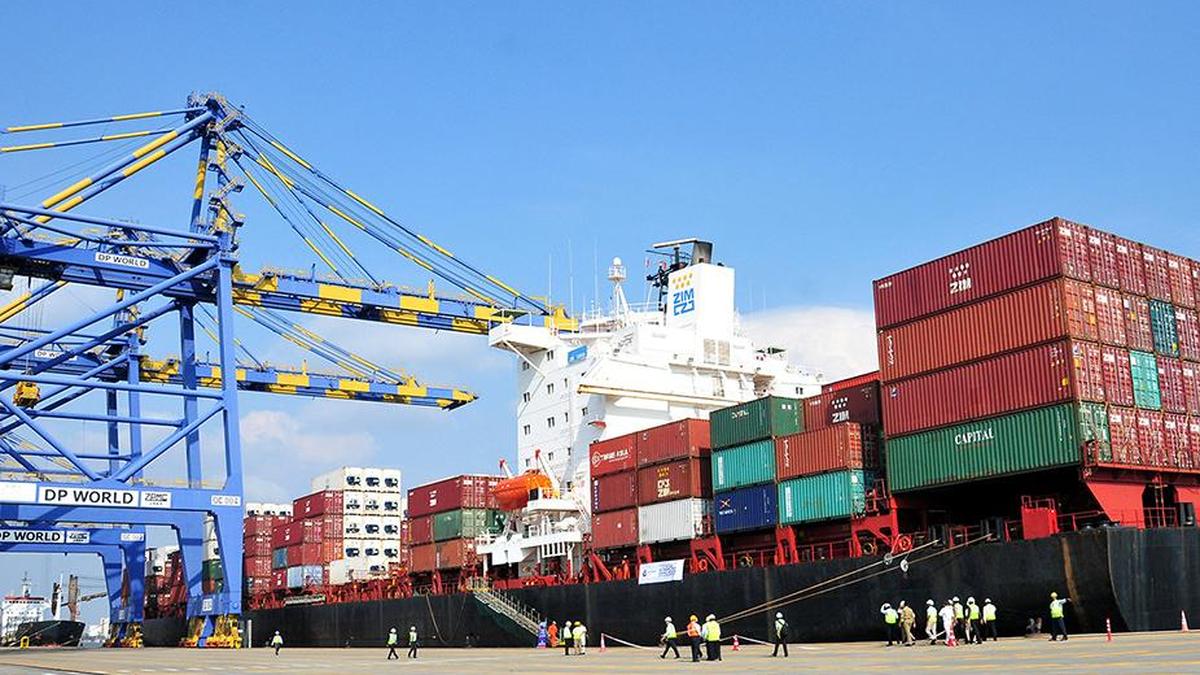
Data shows not all goods exported to the US were affected by the tariffs Photo Credit: Vipin Chandran
Last month, we saw that India’s trade data for November had shown continued resilience in exports despite rising US tariffs. Not only did India’s total exports increase, but exports to America also increased. However, it was difficult to identify the exact drivers at that time, as detailed data was still awaited.
Foreign trade performance analysis data shows several new trends. This analysis focuses only on items where India’s export dependence on the US was already significant. To isolate the impact of tariffs, data from September to November 2025 were compared with the 2023-24 average for the same months.

As shown in chart belowNot all goods exported to the US were affected by the tariffs. In particular, exports of telecommunications equipment to the US – most of which are not tariffed, particularly smartphones – increased 237% between the period under consideration. Exports of electrical machinery also increased by 15%.
This tells us about the goods affected by US tariffs and other challenges. Exports of pearls and precious stones declined by approximately 78.5% between the periods under consideration. Gold jewelery exports to the US declined by 39%, cotton textile exports by 23%, marine products by 17% and readymade cotton exports by 4.6%.
Overall, growth in smartphone exports to the US masked declines in sectors affected by the tariffs. This explains why total exports to the US increased despite the new tariffs. But what about the items that were damaged?
The explanation follows two different paths: for some commodities, the blow from the US tariffs was partially mitigated, while for others, Indian exporters not only managed to absorb the hit but also increased overall exports by diversifying into other markets. chart below Shows the change in total exports between September-November 2025 and the average for the same months 2023-24
Consider marine products, where despite an almost identical decline in shipments to the US, total exports increased by about 17% between the period under consideration; moreover, the US remains a major buyer with more than 30% market share in 2025.
Therefore, exporters did more than just absorb this shock in a traditionally dependent market; They also turned to other destinations, making total exports in marine products even higher than before. As shown in the table belowSeaborne exports to China – already a strong buyer – rose 23% during the same period.
Simultaneously, India made significant inroads into relatively new areas – between September and November 2025, India exported marine products worth more than $50 million to Spain.
This expansion spread across Europe, with sea shipments to Belgium increasing by 124%, while the Netherlands (56%), Germany (65%), and Italy (23%) all experienced substantial gains in exports. Therefore, the gap left by the US was filled by a mix of strengthening alliances and exploring new alliances.
Seafood Exporters Association of India (SEAI) Andhra Pradesh President K. Anand Kumar said, “There has been an increase in shipments to the EU and China in the last few months. We request the Center to intervene and make free trade agreements with other countries to help the aqua sector.”

A similar strategy was recorded in the case of readymade cotton garments, helped here by increased exports to European markets. the table below Shows India’s readymade cotton garments exports to various countries between September to November 2025
“The rupee at 90 is a good tool for Indian exporters to explore new markets. It helps in promoting exports to different markets,” said Siddharth Rajagopal, executive director of the Cotton Textiles Export Promotion Council.
With inputs from Rajulapudi Srinivas and M. Soundarya Preetha
published – January 08, 2026 07:00 AM IST