
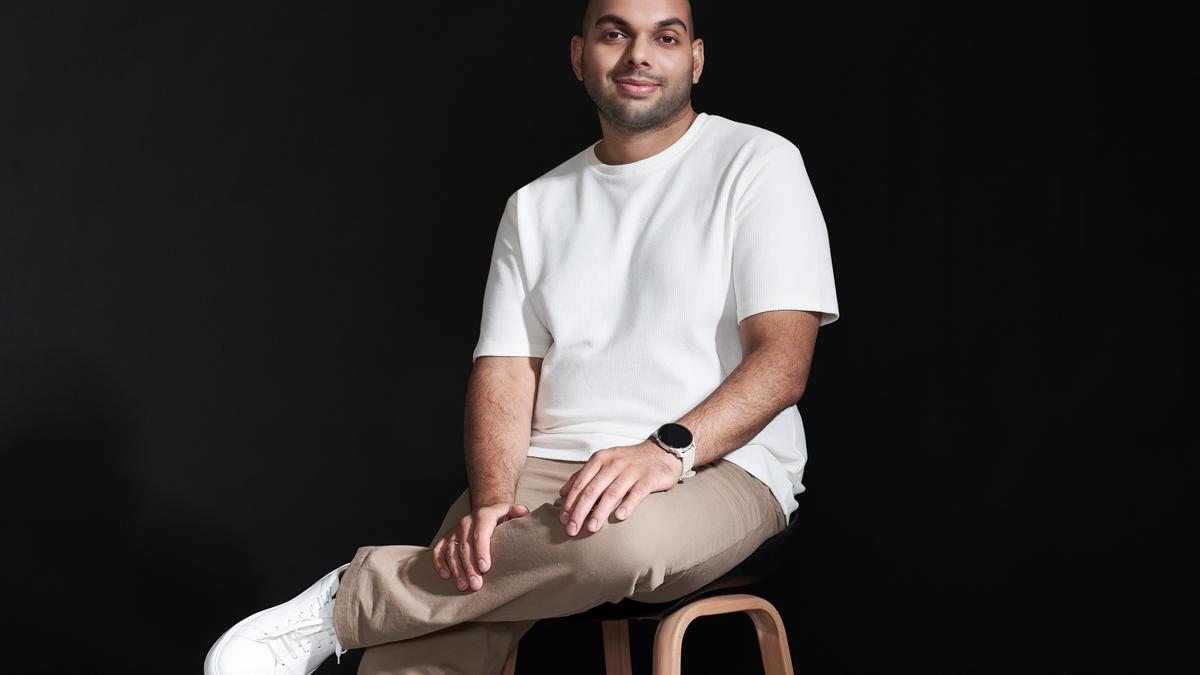
Sandeep Sarma of Xiaomi India. , Photo Credit: Special Arrangement
Xiaomi India’s Sandeep Sarma said India’s smartphone market has reached a plateau as it experiences a shift from volume to value game as consumers are now increasingly upgrading to better devices that they can use for up to three years.
“Earlier in 2017, the average usage time or average cycle of a phone in India was nine months, which is very low, but this was mostly due to the huge leap in technology at that time,” said Mr. Sarma, Associate Director, Marketing, Xiaomi India. The Hindu.
But right now, he said, people are using phones for two, two-and-a-half to three years. So, when they’re upgrading, they know they need to use it longer, so they buy a better phone, he said.
According to him, what most of the industry, including Xiaomi, “miscalculated” (about the smartphone market) in 2022 was because 2020 and 2021 saw unprecedented demand for smartphones during the pandemic as everyone was locked in their homes.
Mr Sarma explained that those two years were kind of unexpected and everyone thought that smartphone sales would keep growing, but it was not a realistic expectation.
“When you look at the overall market, the smartphone market is not really growing much, maybe a little bit, maybe even decreasing in some quarters. This is also because consumers are using phones for a longer period of time,” Mr. Sarma explained.
Commenting on consumer trends, he said, many people are making their choices premium, this trend is more pronounced in towns and villages. “What I mean by that is that they are going up a level or two in terms of their smartphone upgrades. So, someone who maybe bought a ₹10,000 phone a few years ago, is probably jumping up to 30k or 35k, instead of making the next obvious choice which is a smartphone in the 20K segment.”
Strength was also improving. Also, no-cost EMI plans ranging from one year to three years in some cases were allowing customers to buy phones that they could not buy earlier but currently have access to. “So what all this means is that people are holding onto their phones for longer periods of time, so the number of smartphones sold has declined somewhat, but the value is going up.”
On the traction seen in rural markets, he said, it is more common to see people becoming more affluent and upgrading phones. Shri Sarma commented, “Earlier prosperity and affordability was something that was perhaps limited to cities, but now it is moving to level two, level three, level four as well.”
published – December 03, 2025 08:29 PM IST

